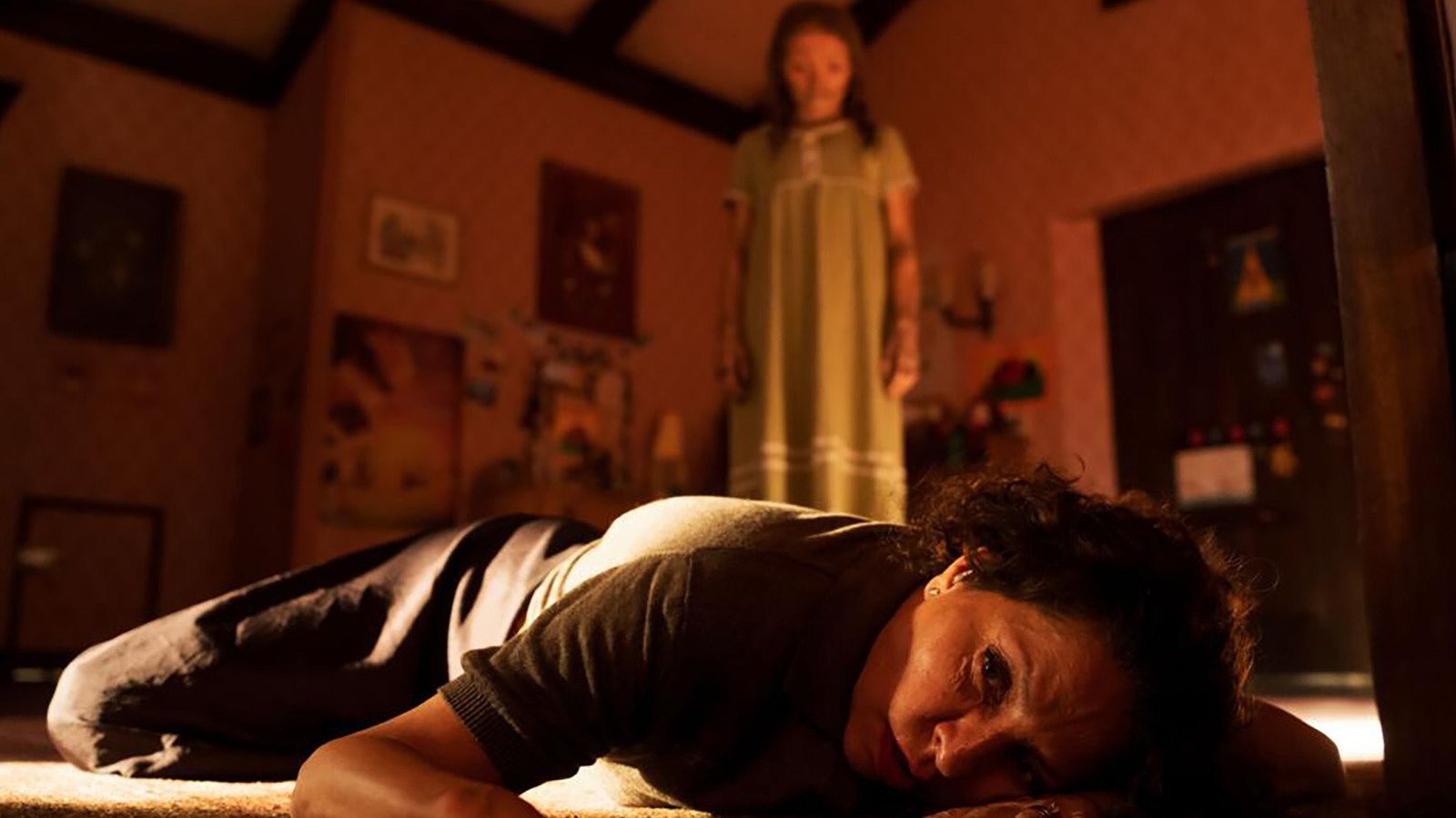
This article contains minor spoilers for “The Mummy of Lee Cronin.”
The horror genre is all about transgression, and the easiest (and most effective) way to commit transgression in art is to explore taboo. For this reason, the notion of placing young, innocent children in some sort of mortal or moral danger has been a part of horror storytelling at least since the Brothers Grimm, if not before. In the same vein, subverting the role of parents has also been a favorite horror theme for almost as long. While evil stepfathers and fathers are almost self-explanatory, the concept of an evil mother is possibly the most taboo evil father of all, as the supposed integrity of a woman with maternal responsibility turns sour. In horror movies, we have seen all kinds of violent and murderous children, bad fathers and malicious mothers before.
However, a group of mainstream horror films released in the last two years seem to be adding an intriguingly disturbing and transgressive branch to the aforementioned classic horror tropes. “Bring Her Back,” “Weapons” and now “Lee Cronin’s The Mummy” all indulge in the Wicked Girl and Dark Mother archetypes, only these films subvert them in new ways. Instead of the villains being the real mothers of the victims, the women responsible for the evil in each film are more like surrogate fathers. Meanwhile, the evil children turn out not to be inherently evil, but rather pawns of a larger malicious force that directs them. As this tweet full of pearls As evidenced by a poster for “Lee Cronin’s The Mummy,” this new trend seems to be striking a chord. It’s fascinating to think about what is driving this trend and why it continues to seem so effective.
From hag exploitation to the archetypal witch
Typically, the most evil moms of horror they present themselves as having their natural affection for their offspring twisted into something dark: vengeful, overprotective, or sinister. This new trend of horrified mother figures is a variation on those themes. Instead of harming their own children, these women prey on other children with whom they have no relationship. It’s a twist that goes back to fairy tales and folklore, especially the witch archetype. This archetype can be found in stories like Hansel and Gretel and movies like “Snow White,” “The Witches,” and “The Witch.” Most often, the witch is presented as a visibly older woman, which may link her to the hagsploitation subgenre. Both Laura (Sally Hawkins) in “Bring Her Back” and Gladys (Amy Madigan) in “Weapons” can be considered belonging to that subgenre.especially in the ways those characters subvert their age and the expectations of responsibility and trust that come with it.
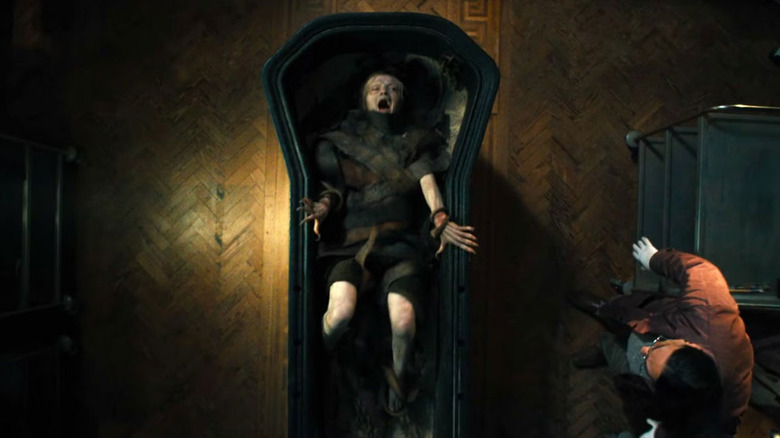
It is the matriarch, known as The Wizard (Hayat Kamille), in “Lee Cronin’s The Mummy,” who moves away from the trend toward the classic “psycho movie.” She doesn’t seem resentful of her age nor does she flaunt it. However, she is presented as a fairy tale, as a witch, especially when she captures young Katie (Emily Mitchell) with a literally poisoned apple. The witch archetype best applies to this trend: all three characters are practitioners of black magic and each attracts their child victims in some way. However, unlike the archetypal witch, each of these women has ulterior and sympathetic motives for their vile actions, allowing them to be nuanced villains more based in reality than fantasy.
Children replaced by evil instead of changed by it
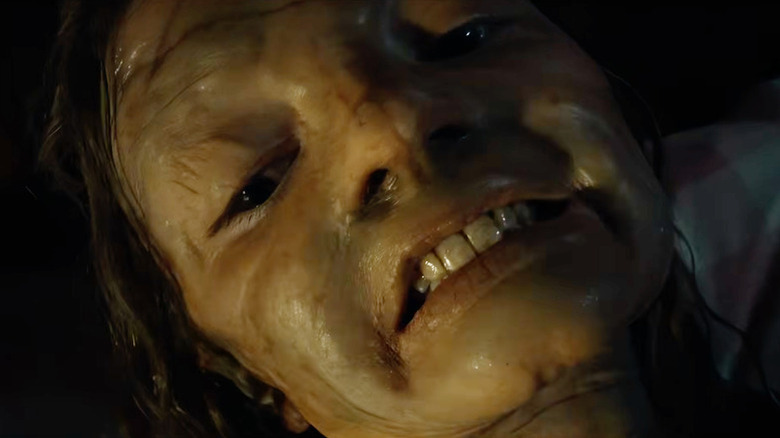
The other part of the equation of this new trend involves the children themselves. Typically the evil kid in most horror movies. he is either a genuinely malicious being hiding behind the face of innocence (as in “The Omen”) or he is an innocent child whose body and soul are co-opted by evil (as in “The Exorcist”). “Bring Her Back”, “Weapons” and “The Mummy of Lee Cronin” generally fall into the latter category, as the children are possessed by a demonic entity, while The children of “Armas” become hollow shells indebted to Gladys’s spell..
Although the usual themes of tainted innocence and the sins of adults reflected in the harm inflicted on children can certainly be found in each film, the most important distinction between these three films is that the children are replaced rather than changed. Rather than a possession occurring subtly or ambiguously, the children’s monstrous nature can be traced back to the aforementioned witch-like mother figures. In this way, the films invite comment not only on the rot within the immediate family, but also on the effects on neighbors, the community, and society as a whole.
Perhaps this topic has arisen from an abundant millennial panic in the face of the increasingly serious situation at home and abroad. It allows these horror films to address the issue of raising a child in a dangerous, violent, and perhaps even doomed environment indirectly, rather than head-on, in the style of “First Reformed,” “Mass,” or “We Need to Talk About Kevin.” Then again, maybe these are the shiny new lines that need to be crossed to help shock and disturb uncaring audiences, something horror always seeks to do. We’ll see what happens as the trend continues.
“The Mummy of Lee Cronin” is now in theaters.